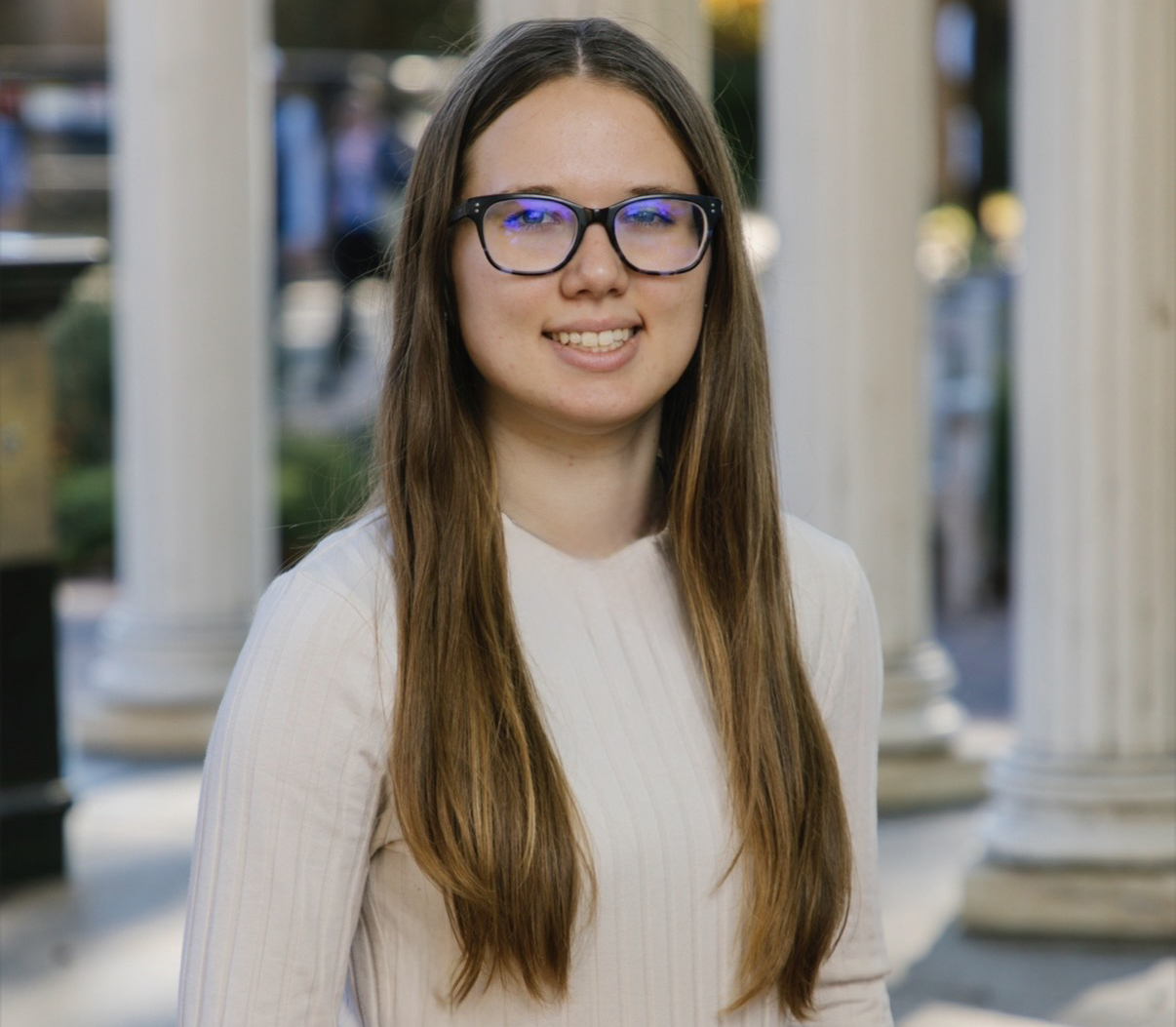
Emily Shipway’s journey to the University of North Carolina at Chapel Hill (UNC) didn’t follow a typical path. Growing up in the rural town of Roseboro, NC, the idea of leaving home carried both excitement and fear.
“I originally wanted to be a pediatric neurosurgeon,” she said. “I wanted to help people and give back to my community.”
Her future changed on her 18th birthday when she received her acceptance to UNC. Soon after, a call from Candace Jones, Assistant Director of the Kessler Scholars Program, made the opportunity feel even more real.
“I got a call from Candace explaining the Kessler Scholars Program and how it helps support first-generation college students,” she said. “And it just sounded like an amazing opportunity.”
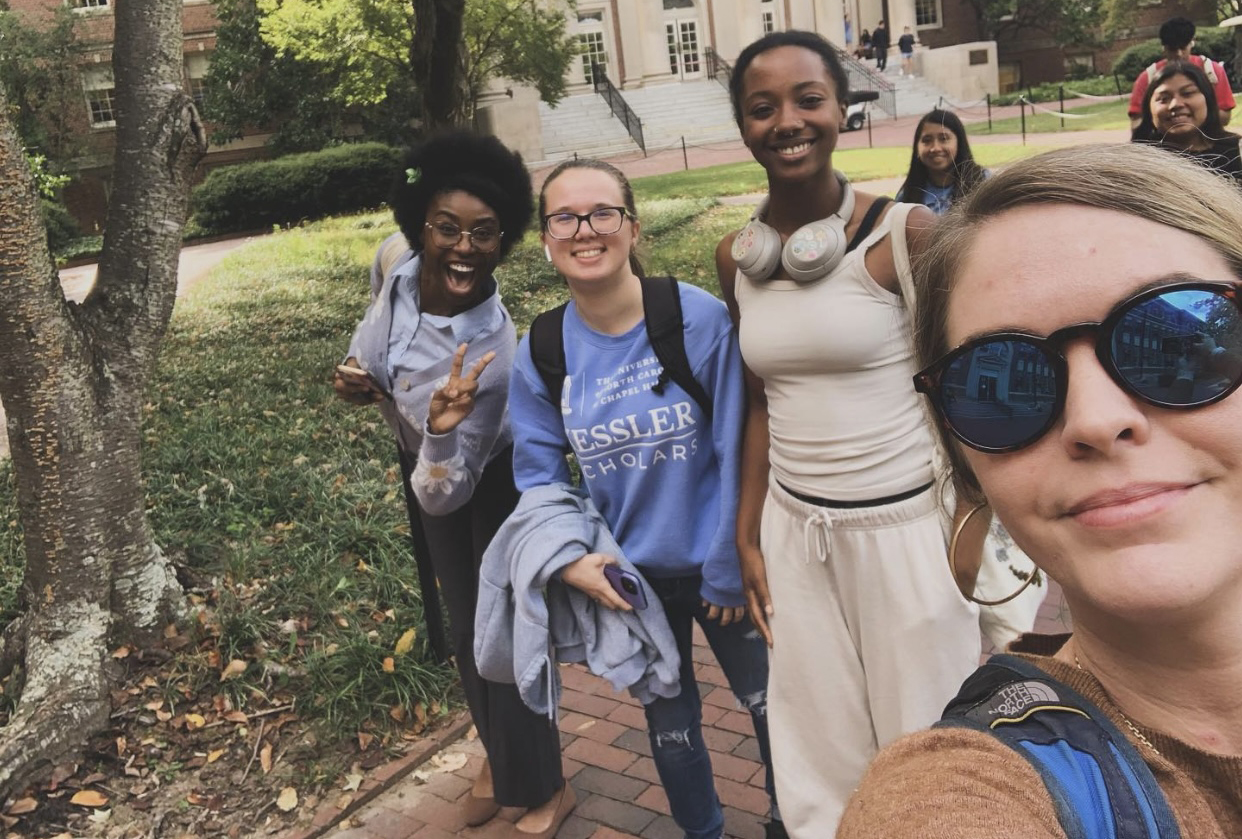
Arriving on campus for the summer bridge program intended to aid in her transition to college meant being away from family for the first time. Surrounded by her new peers, Emily found herself navigating not only a new academic environment, but also the emotional weight that many first-generation students carry.
“One weekend, I read this article that said one in four first-gen students actually graduate college [in four years], and I didn’t like that,” she said.
But she found support in the Kessler Scholars community. One of her first defining experiences as a college student came during an outdoor education retreat.
“We were able to do a high ropes course, and then we climbed a telephone pole and jumped off,” she said. “And the only thing holding us together was five other Kessler Scholars I had just met two weeks ago.”
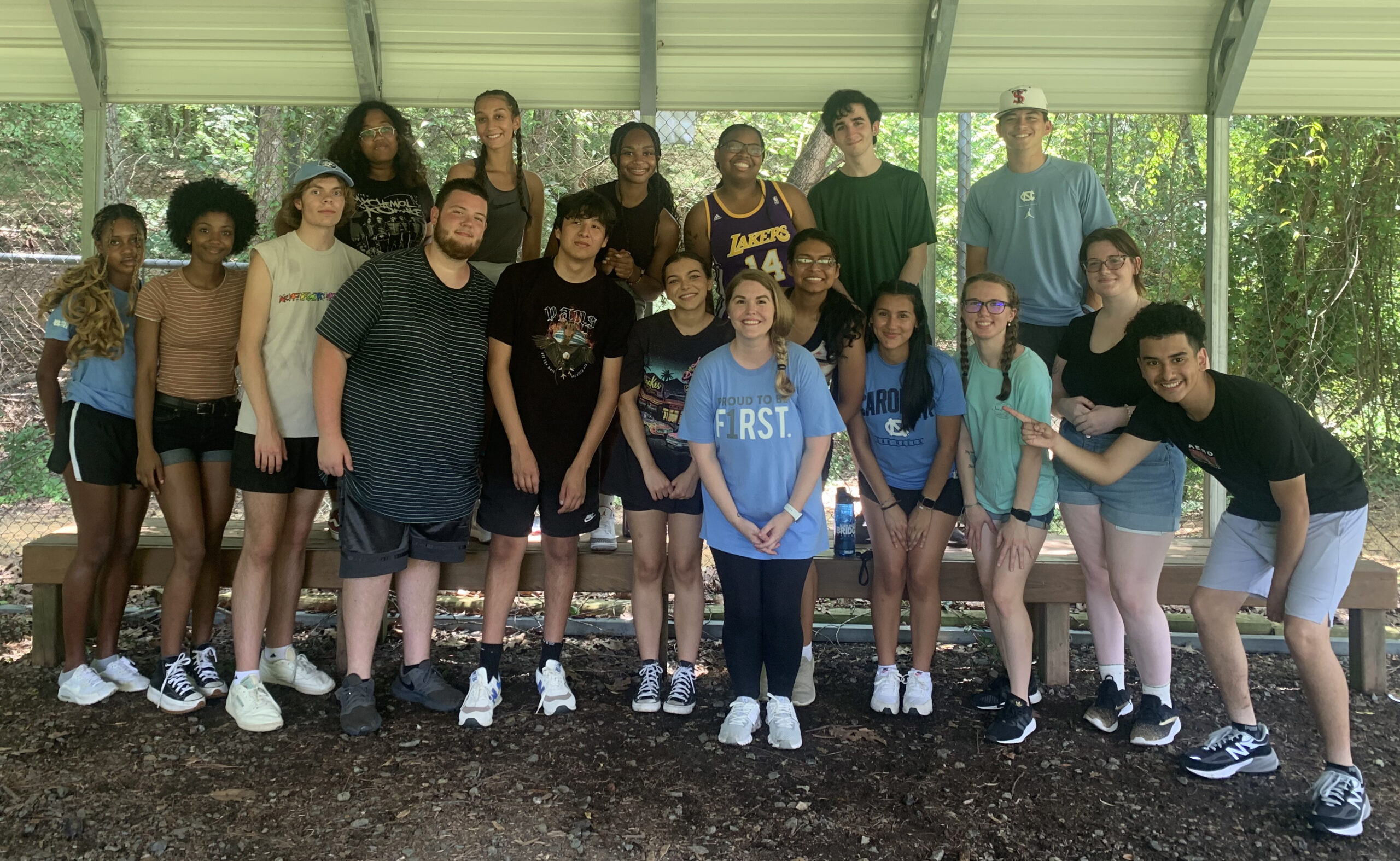
Over time, that trust in others grew into leadership. With the Kessler Scholar community’s encouragement, Emily changed her major to Human Development and Family Science (HDFS), aligning more closely with her evolving passion for supporting access and equitable opportunities for historically marginalized and underrepresented students in higher education.
Emily became a founding member of the Kessler Scholars Student Advisory Board at UNC, growing it into a collaborative group of 12 peers dedicated to strengthening the program and advocating for future Scholars. She also played a key role in welcoming new cohorts, conducting interviews, and helping incoming students navigate their own transitions to college.
“It was amazing to see a group of us come together, collaborate, and advocate for things that we wanted to see,” she says.
Her academic journey expanded beyond Chapel Hill as well. Through the Summer Research Opportunity Program (SROP) at the University of Michigan, Emily explored research to better understand why first-generation students graduate at lower rates than their continuing-generation peers.1
“I want to work alongside students, help uplift their voices, and include them in spaces where they’ve been told, ‘you don’t belong here,’” she said.
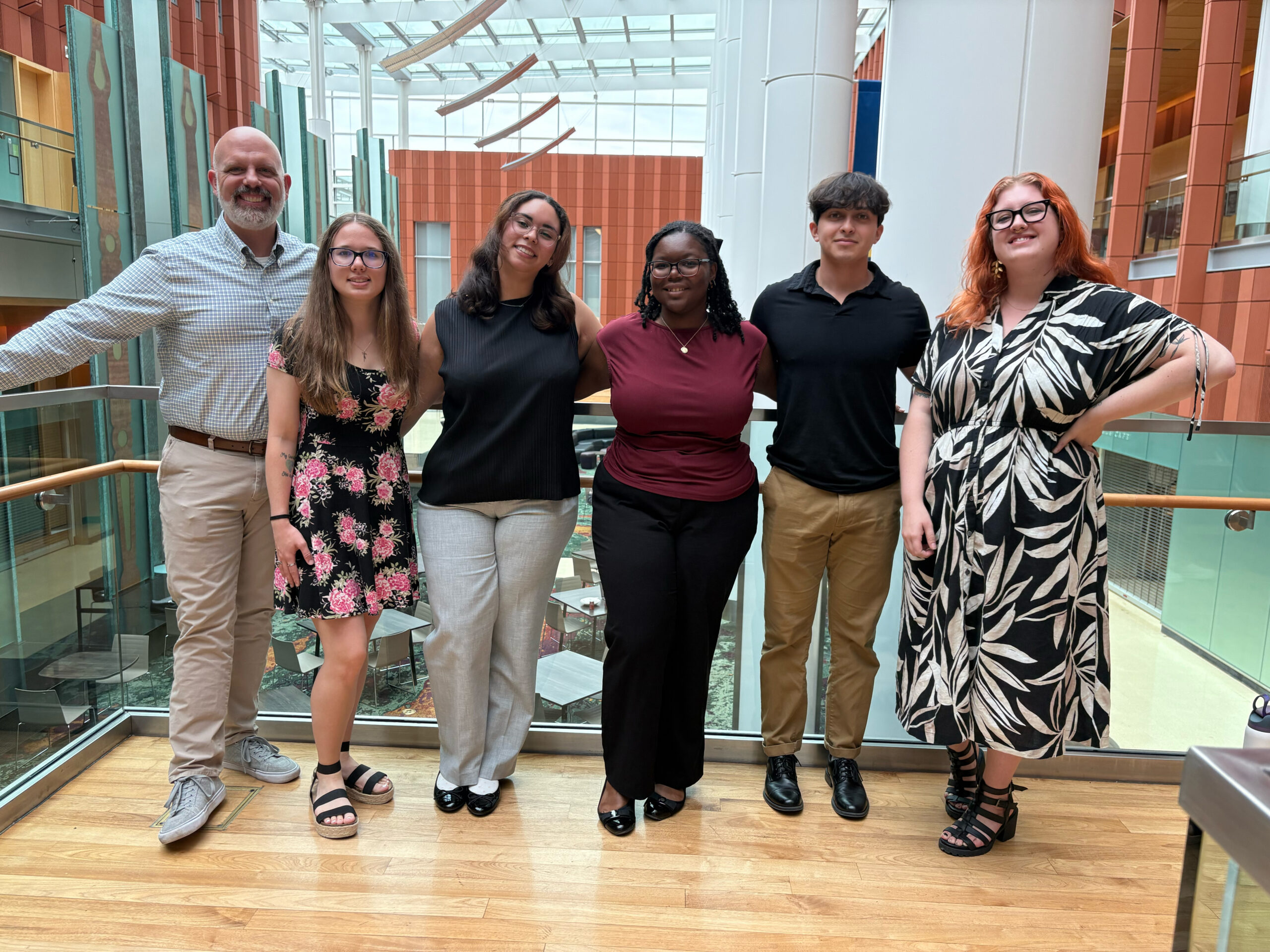
Now, as graduation approaches, Emily is already looking ahead. A few weeks after commencement, she’ll travel back to Ann Arbor to continue her work with SROP, supporting other underrepresented students in accessing higher education. In the fall, she will begin her master’s program at the University of Michigan, studying higher education student access and success.
Her goal is clear—to grow as a scholar-practitioner who not only works directly with students, but also understands how systems and structures shape their experiences. As she reflects on her journey to this point, Emily shares a message she hopes future Kesser Scholars will carry with them:
“The Kessler Scholars Program is a family meant to help you,” she said. “They will help bring you into spaces you don’t even know about—don’t be scared, you got this.”
- Students whose parents have college degrees. ↩︎